
Product Introduction: Grinding Wheels
1. Product Overview
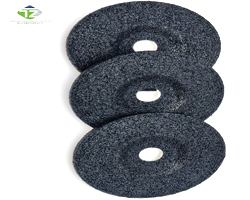
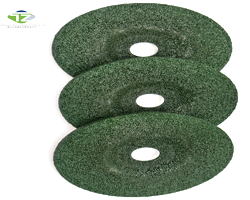
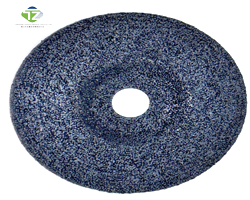
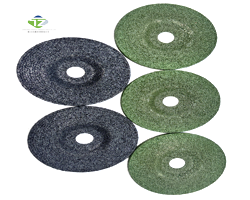
Grinding wheels are abrasive tools designed for cutting, grinding, and polishing various materials, including metal, stone, concrete, and ceramics. Manufactured using abrasive grains bonded together with resin or vitrified material, grinding wheels provide efficient material removal, high precision, and durability. They are widely used in industries such as metalworking, construction, and manufacturing.
2. Product Features
1. High Cutting and Grinding Efficiency
Grinding wheels deliver fast material removal rates and maintain cutting precision.
2. Durability and Long Service Life
Made from high-quality abrasive materials and bonding agents, grinding wheels ensure extended lifespan under rigorous working conditions.
3. Wide Variety of Sizes and Types
Available in different diameters, thicknesses, and shapes to meet various applications and requirements.
4. Customizable Abrasive Composition
Offered with diverse abrasive materials, such as aluminum oxide, silicon carbide, and diamond, to suit specific material types and tasks.
5. Compatibility
Suitable for use with handheld grinders, bench grinders, and industrial grinding machines.
3. Applications
1. Metalworking
• Cutting and grinding metal sheets, bars, and pipes.
• Surface preparation and deburring.
2. Stone and Concrete Processing
• Shaping and smoothing stone, granite, and concrete.
• Removing excess material or finishing edges.
3. Precision Tool Sharpening
• Sharpening blades, drills, and other cutting tools.
4. Ceramics and Glass Polishing
• Refining surfaces and edges of ceramic and glass products.
4. Technical Specifications
• Abrasive Materials:
• Aluminum Oxide: For general-purpose grinding on steel and iron.
• Silicon Carbide: For non-ferrous metals, stone, and concrete.
• Diamond: For high-precision grinding on hard materials like ceramics and glass.
• Bonding Agent: Resin, vitrified, or metal bonds.
• Shapes and Sizes: Flat (Type 1), depressed center (Type 27), cup-shaped (Type 11), and custom shapes.
• Dimensions: Common diameters range from 50mm to 500mm, with thickness options from 1mm to 50mm.
5. Usage Tips
1. Select the appropriate grinding wheel based on the material type and task requirements.
2. Ensure proper mounting and secure attachment to the grinder to prevent accidents.
3. Operate the wheel within its specified speed limits to avoid damage or safety risks.
4. Perform regular inspections for cracks or wear and replace the wheel if necessary.
6. Packaging and Storage
• Packaging: Individually packed or in sets, with protective materials to avoid damage during transportation.
• Storage Conditions: Store in a cool, dry, and vibration-free environment to prevent deformation or degradation.
Grinding wheels are essential tools for achieving precision and efficiency in various applications. For additional details or custom product solutions, please contact us!
Delivery is prompt!
By 10-year industry experts!
Diverse payment methods available!
Unbeatable cost performance!